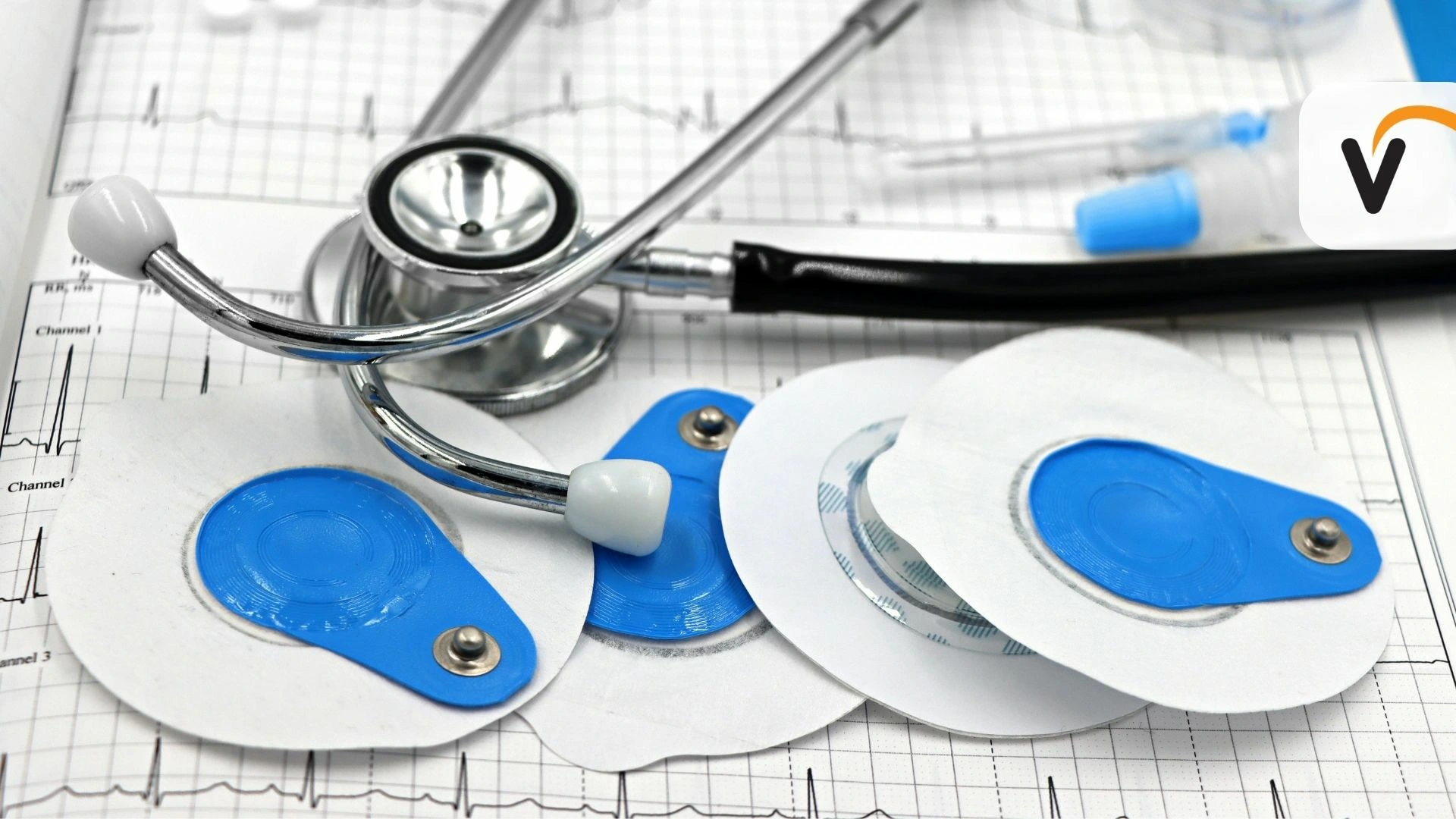
For medical device and in vitro diagnostic device companies operating in the European Union, medical device translation is directly connected with market access, patient safety and user comprehension.
Under the EU Medical Device Regulation (MDR 2017/745) and the In Vitro Diagnostic Regulation (IVDR 2017/746), key information accompanying a device must be available in the official Union language or languages determined by the Member State where the device is made available to users or patients.
This includes documentation such as Instructions for Use (IFU), labelling and packaging content, user-facing safety information, field safety notices, software interfaces, technical and user manuals, and other materials that influence how a device is understood, handled and used.
In regulated medical-device environments, translation therefore forms part of the documentation and compliance workflow that supports safe and effective use across markets.
MDR Annex I, Chapter III emphasises that information supplied by the manufacturer must be clear, understandable and precise for the intended user, whether that user is a clinician, technician, patient or layperson.
This is where MDR and IVDR language requirements become both flexible and strict.
They are flexible because each Member State determines which official language or languages are required for the information accompanying a device in its market.
They are strict because translated content must preserve the meaning, clarity and usability of the original documentation. It is not enough for information to be translated into the right language. It must also remain understandable to the people who rely on it.
For companies placing medical devices or IVDs on several EU markets, this means that translated documentation must remain precise, consistent, understandable to the intended user and aligned with the broader regulatory documentation set.Translation, in other words, becomes part of how documentation functions, not just how it is presented.
Medical translation is often described in terms of accuracy. Accuracy is essential, but in regulated environments it is only the starting point.
In medical-device documentation, translation quality also depends on:
For example, if the same warning, component or usage instruction is translated differently across an IFU, label and training material, the issue is not only stylistic. Inconsistent terminology can make documentation harder to review, maintain and use, particularly when content is assessed, updated or distributed across several markets.
Unlike general medical document translation, medical device translation often needs to maintain consistency across IFUs, labelling, manuals, safety communications and post-market documentation.
This becomes especially important because regulated documentation rarely exists as a static set of files. IFUs, labelling, PMS documentation and safety communications may all change over time, which means translation workflows need to support consistency across updates.
In regulated medical environments, translation quality cannot depend only on the expertise of individual linguists. It also depends on the maturity of the process behind the translation.
A compliance-aware translation workflow should be documented, repeatable and controlled. This includes clear procedures for project management, terminology management, quality assurance, vendor coordination, access control, data handling and technology use.
For a translation partner, this means moving beyond the role of a linguistic supplier. In practice, the right partner becomes part of the documentation workflow, supporting not only the translation of individual files, but also the consistency and reliability of multilingual content over time.
For medical-device and IVD documentation, translation often follows the product lifecycle. Updates, revisions, variations, PMS documentation and new IFU versions all require continuity in terminology, style, review logic and version control.
Documented workflows reduce reliance on individual interpretation and make it easier to maintain consistency across languages, document types and project stages.
A mature workflow may include experienced medical and scientific translators, revision by a second qualified linguist or reviewer, terminology management, context-aware review and familiarity with safety-critical phrasing. The goal is not to make the process unnecessarily complex, but to ensure that regulatory intent, user comprehension and safety-related meaning are preserved across target markets.
Medical and regulatory documents often contain sensitive, confidential or business-critical information. This may include patient-facing content, clinical information, technical specifications, product documentation or materials prepared for regulatory purposes.
Confidentiality should therefore not rely only on contractual clauses. It should also be supported by practical controls that define who can access specific files, tools and systems.
Role-based access, need-to-know principles and clear user management procedures help ensure that sensitive documentation is handled in a controlled way throughout the translation process.
Technology, external contributors and delivery processes all influence the reliability of multilingual documentation.
In regulated documentation, technology should be managed carefully because changes in tools or processes can affect formatting, segmentation, terminology or quality checks. A structured approach to tool validation and change management helps ensure that technology supports quality instead of creating uncontrolled variation.
Continuity also matters. Medical documentation is often produced under regulatory or market-driven timelines, so business continuity, backup and recovery procedures help reduce operational risk when documentation needs to remain available, controlled and up to date.
The same applies to vendor coordination. External linguists, reviewers, DTP providers and technical contributors may all be part of a multilingual documentation process. Clear expectations, defined responsibilities and standardised workflows help reduce variation and support consistency across the long-term documentation lifecycle.
Under MDR and IVDR, translation is part of how medical devices and IVDs are documented, reviewed and used across markets.
It affects market access, patient safety, user comprehension and the long-term consistency of regulated documentation.
That is why medical device translation should not be treated as a final step or a commodity service. In regulated environments, trust is built through expertise, but also through documented processes that support quality, confidentiality and continuity over time.
This is what distinguishes specialised medical device translation from broader medical translation services or life sciences translation services: it needs to support regulated, multilingual documentation throughout the product lifecycle.
If your team is preparing or maintaining multilingual medical device documentation for EU markets, VERBA can support you with structured medical translation workflows focused on terminology consistency, quality control and secure document handling.






 English